
Luminance: Transforming Legal AI with Precision
Table of Contents
- The Cambridge University Origins
- Understanding the Legal-Grade LLM Technology
- Core Features That Legal Teams Actually Use
- Target Market and Adoption Across Legal Sectors
- Real-World Applications Across Legal Workflows
- How Luminance Compares to Alternative Approaches
- Security, Compliance, and Data Handling Considerations
- Practical Implementation and Getting Started
- Bottom Line
- The Cambridge University Origins
- Understanding the Legal-Grade LLM Technology
- Core Features That Legal Teams Actually Use
- Target Market and Adoption Across Legal Sectors
- Real-World Applications Across Legal Workflows
- How Luminance Compares to Alternative Approaches
- Security, Compliance, and Data Handling Considerations
- Practical Implementation and Getting Started
- Bottom Line
What Makes Luminance Different in Legal AI
The legal AI landscape is rapidly evolving, with new contract analysis tools emerging frequently. These tools promise to revolutionize the legal profession. However, Luminance stands out due to its unique origins and methodology. Founded in September 2015 by machine learning experts from the University of Cambridge, Luminance developed a “Legal-Grade™” LLM, trained on 150 million legal documents, rather than general text.
Precision is crucial in legal work, especially for contract clauses and regulatory provisions. Luminance excels here, processing documents in over 100 languages, serving over 1,000 enterprises across 70 countries, including all Big Four consultancy firms. The platform focuses on contract review automation, M&A due diligence, and regulatory compliance analysis.
The Cambridge University Origins
Luminance Platform Overview:
Luminance’s foundation is rooted in Cambridge University research, shaping its focus on pattern recognition and anomaly detection. This supports legal work optimally. Significant investment, including a $40 million Series B funding led by March Capital, underscores confidence in its technology, allowing expansion of its legal domain LLM.
Understanding the Legal-Grade LLM Technology
“Legal-Grade” goes beyond marketing. Luminance’s LLM was trained on 150 million legal documents, learning to recognize clause patterns and detect risks. Its multilingual AI processes over 100 languages, crucial for tasks like Spanish legal agreements, requiring understanding beyond translation, especially in cross-border M&A.
Core Features That Legal Teams Actually Use
Legal AI Development Approach:

Luminance developed features addressing workflow challenges. The “Traffic Light Analysis” flags contract clauses by risk level, while the “Ask Lumi” chatbot enables natural language queries. Workflow automation reduces M&A due diligence timelines.
Target Market and Adoption Across Legal Sectors
Luminance serves leading law firms, Big Four firms, and enterprise legal departments, valued for scalability and multilingual capabilities, enhancing productivity without increasing headcount.
Real-World Applications Across Legal Workflows
Contract Review Workflow:
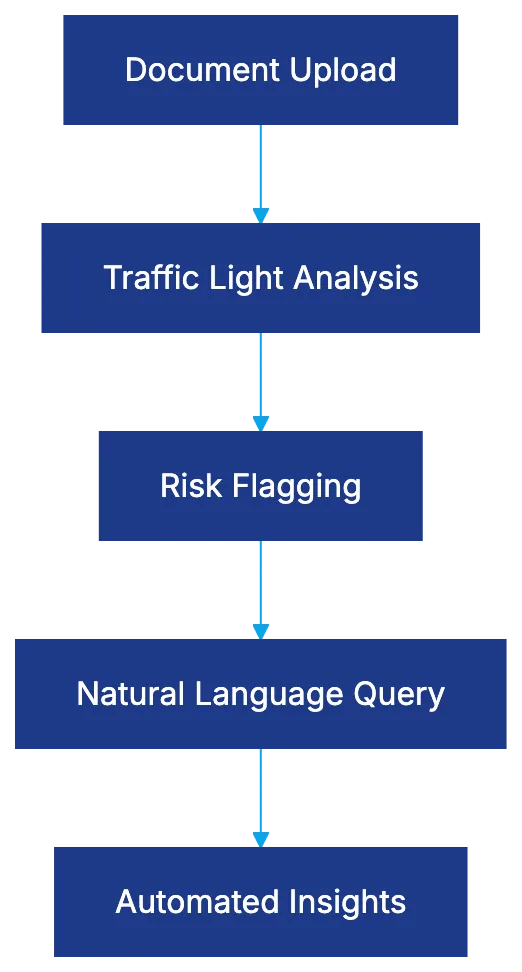
Luminance streamlines M&A due diligence, facilitates cross-border transactions, and manages legal documents efficiently. It prevents oversights and aids in regulatory compliance.
How Luminance Compares to Alternative Approaches
Choosing Luminance or general models involves considering specialization. General AI models lack the training for legal nuances. Luminance’s comprehensive training data offers deeper insights, especially in multilingual contexts.
Security, Compliance, and Data Handling Considerations
Legal work requires stringent security. Luminance ensures compliance with enterprise-grade security, GDPR, and data residency standards. Proper licensing and public document usage are maintained.
Transparency about model capabilities is crucial, enhancing rather than replacing attorney judgment.
Practical Implementation and Getting Started
Deploying Luminance involves change management, training, and workflow integration. Its intuitive interface and tech ecosystem connectors ease transitions.
Bottom Line
Luminance sets itself apart with its Cambridge roots and Legal-Grade LLM. Its multilingual capabilities and focus on contract review automation make it invaluable for legal teams handling complex transactions. For firms seeking efficiency and accuracy, Luminance’s approach deserves consideration.
Frequently Asked Questions
What types of organizations can benefit from Luminance?
Luminance is designed for a wide range of users, including leading law firms, Big Four consultancy firms, and enterprise legal departments. Its scalability and multilingual capabilities make it suitable for businesses engaged in complex legal work across various sectors.
How does Luminance ensure accuracy in handling legal documents?
Luminance's "Legal-Grade™" LLM is trained on an extensive dataset of 150 million legal documents, allowing it to recognize patterns and detect risks with high precision. This specialized training enhances its ability to understand legal nuance, particularly in diverse legal contexts.
What are some typical use cases for Luminance in legal workflows?
Luminance is commonly used for contract review automation, M&A due diligence, and regulatory compliance analysis. Its capabilities enable legal teams to streamline processes, manage documents efficiently, and minimize oversights during critical transactions.
How does Luminance handle security and compliance?
Luminance adheres to strict security measures, ensuring compliance with enterprise-grade security protocols and GDPR standards. The platform is designed to maintain data residency requirements and to manage licensing effectively, safeguarding sensitive legal information.
What makes Luminance different from other legal AI solutions?
Luminance differentiates itself through its specialized training on legal documents and its focus on critical legal tasks. Unlike general AI models, Luminance offers deep insights tailored for the legal profession, enhancing its effectiveness in multilingual and complex legal scenarios.
What kind of training is required to use Luminance effectively?
Implementing Luminance typically involves a change management process, alongside training for team members to ensure smooth adaptation. Its intuitive interface and integration with existing technology ecosystems help facilitate user onboarding and ease the transition.
Can Luminance be used for documents in languages other than English?
Absolutely. Luminance supports processing in over 100 languages, making it particularly beneficial for tasks that involve multilingual legal documents, such as cross-border M&A agreements. This capability is crucial for ensuring comprehensive understanding and compliance across different jurisdictions.
Related Articles
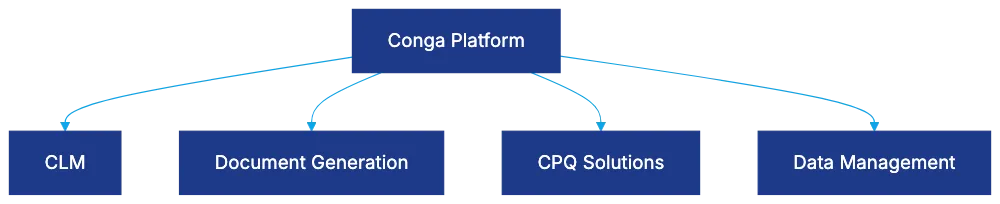
Conga: Revolutionizing Legal Technology for Professionals
Discover how Conga streamlines contract management and document generation for legal teams using Salesforce.
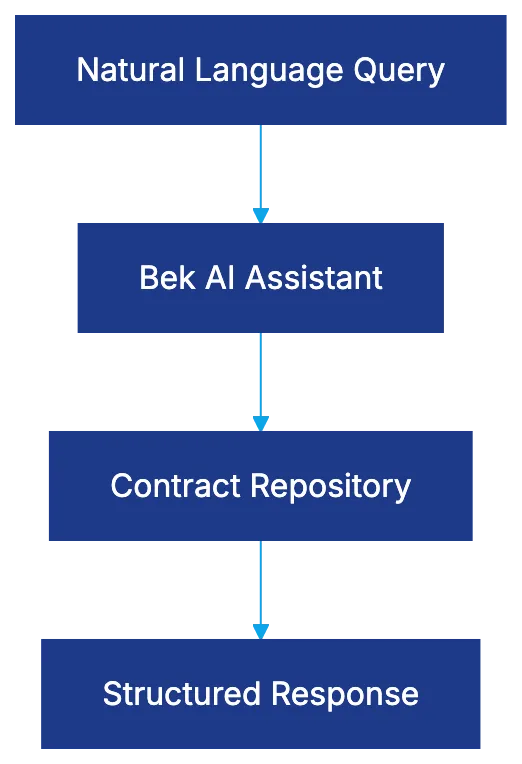
Malbek's Innovative Take on Contract Lifecycle Management
Explore how Malbek's conversational AI transforms contract lifecycle management for legal teams in mid-market and enterprise organizations.
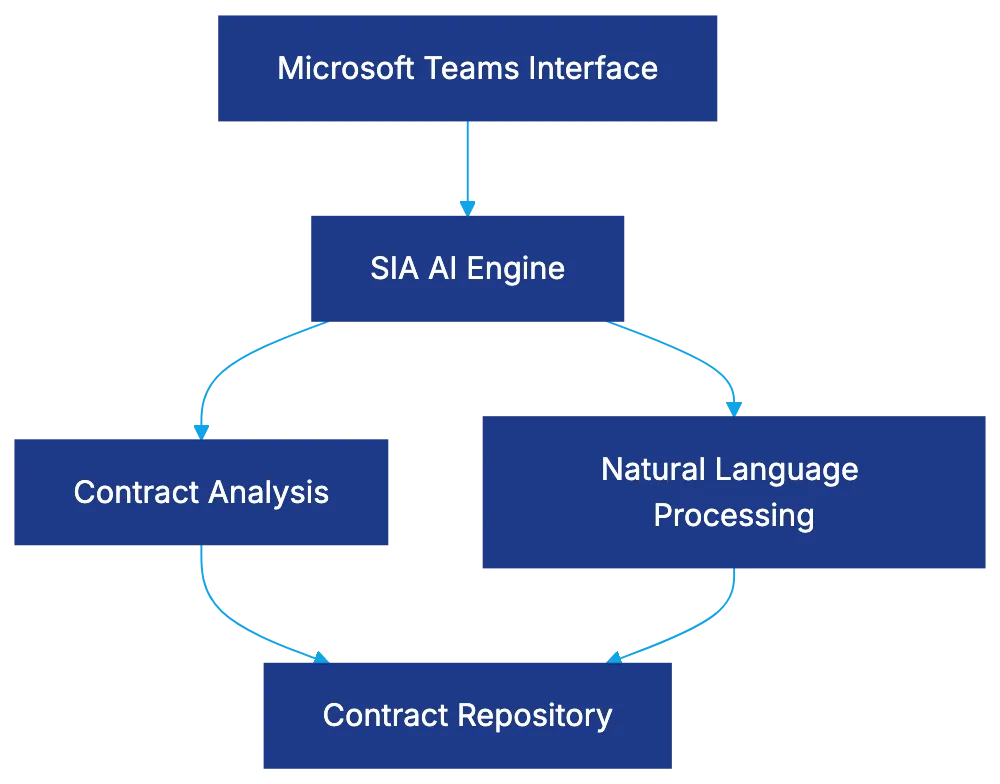
Summize: Revolutionizing Contract Management in Teams
Discover how Summize enhances contract management through Microsoft Teams with AI-driven solutions and seamless integration.