Ironclad: Transforming Contract Lifecycle Management
Table of Contents
- Overview
- Company Background and Growth Trajectory
- Core Technology and Platform Architecture
- Jurist AI Assistant Capabilities
- Key Features for Legal Operations
- Enterprise Scale and Notable Clients
- Implementation and Use Cases
- Competitive Positioning and Alternatives
- Pricing Structure and ROI Considerations
- Bottom Line
- Overview
- Company Background and Growth Trajectory
- Core Technology and Platform Architecture
- Jurist AI Assistant Capabilities
- Key Features for Legal Operations
- Enterprise Scale and Notable Clients
- Implementation and Use Cases
- Competitive Positioning and Alternatives
- Pricing Structure and ROI Considerations
- Bottom Line
Overview
The contract lifecycle management (CLM) market has evolved from basic tools to platforms integrating legal expertise and engineering. Ironclad exemplifies this growth, founded in 2014 by Jason Boehmig and Cai GoGwilt to automate repetitive legal tasks. Now valued at $3.2 billion, it processes over two billion contracts, suited for enterprise legal teams needing workflow automation.
Company Background and Growth Trajectory
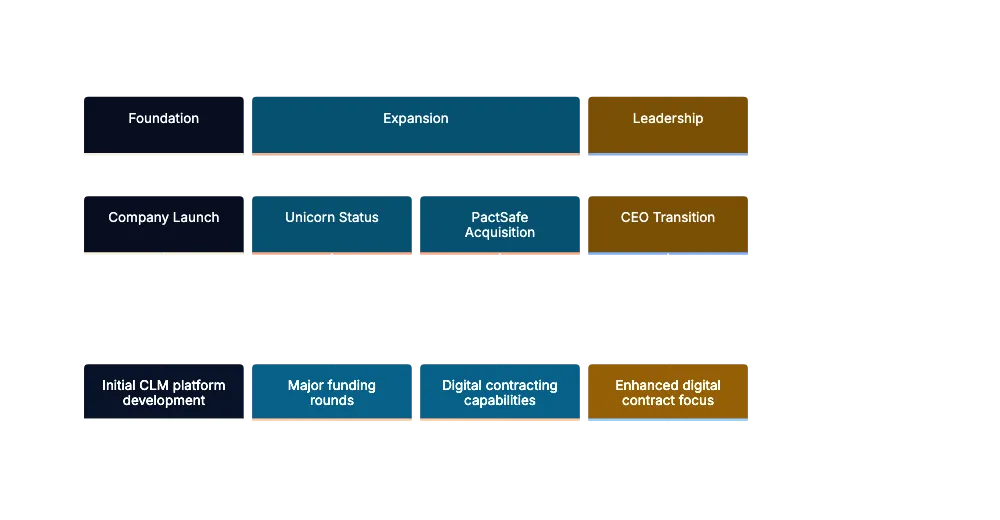
Ironclad was founded on the observation that lawyers spent too much time on repetitive work. Boehmig and GoGwilt combined their expertise to create a company that secured $333 million in funding, with a $150 million Series E, achieving unicorn status. In 2021, they acquired PactSafe to expand into digital contracting. Dan Springer, former CEO of DocuSign, became CEO in 2024, enhancing Ironclad’s digital contract capabilities, as noted in Ironclad’s strategic leadership hires.
Core Technology and Platform Architecture
Ironclad Platform Evolution:
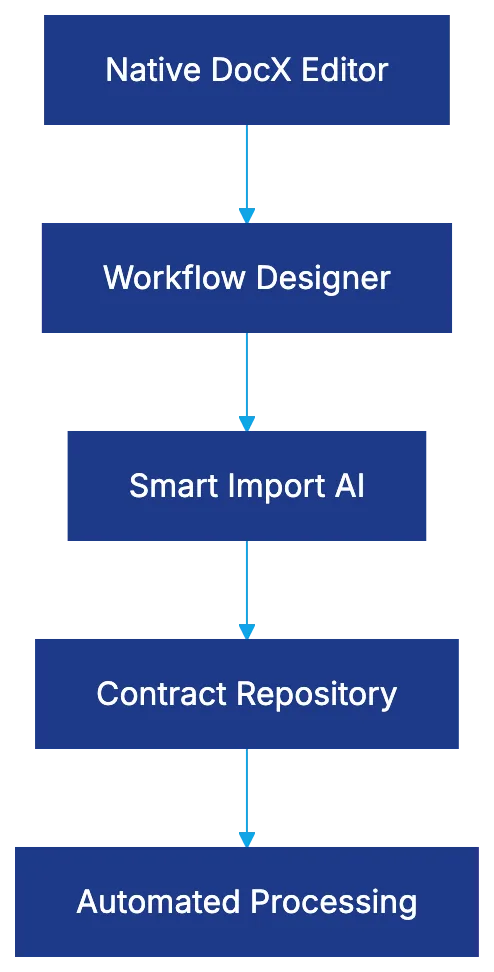
Ironclad’s platform keeps contracts editable in native formats, using the world’s first DocX-native editor, allowing seamless work in Microsoft Word, as highlighted in Ironclad’s recognition as a Leader in the 2024 Gartner Magic Quadrant. The Workflow Designer automates approval processes. Smart Import AI extracts key terms, reducing manual workload and addressing contract backlog.
Jurist AI Assistant Capabilities
Ironclad’s Jurist AI, powered by GPT-3 and GPT-4, enhances contract management by drafting clauses and enforcing consistency. It aids in standardizing contracts while enabling attorneys to focus on complex issues, learning from previous decisions to improve.
Core Platform Architecture:
Key Features for Legal Operations
The contract repository allows efficient contract search by various criteria, with features like auto-renewal tracking and conditional approval automation. Integration with Salesforce, Microsoft 365, Google Workspace, and Slack complements existing workflows.
Enterprise Scale and Notable Clients
Targeted at enterprise markets, Ironclad’s clients include L’Oréal, Mastercard, OpenAI, and Salesforce. With over two billion contracts processed, it offers operational scale. However, pricing may be high for smaller firms, with annual contracts between $30,000 to $120,000.
Implementation and Use Cases
Common adoption begins with sales contract automation, using pre-approved templates to streamline processes. Procurement workflows and PactSafe integration facilitate digital contracting.
Competitive Positioning and Alternatives
Contract Automation Workflow:

In the CLM landscape, competitors include DocuSign CLM and ContractWorks. Ironclad stands out with its DocX-native editor and integration features but may be expensive for smaller organizations, with some preferring native Microsoft 365 solutions.
Pricing Structure and ROI Considerations
Ironclad’s custom pricing starts around $30,000 annually, increasing with requirements. Despite initial costs, operational gains include faster contract finalization and automated compliance, offering significant ROI.
Bottom Line
Ironclad’s platform suits enterprise legal teams by solving real-world problems. With over two billion contracts processed, it excels in streamlining lifecycle processes but may not fit smaller departments. Despite setup complexity and costs, Ironclad is effective for firms handling vast contract volumes.
Frequently Asked Questions
What are the primary benefits of using Ironclad for contract management?
Ironclad enhances contract management by streamlining workflows and automating repetitive tasks. Its unique DocX-native editor allows seamless integration with Microsoft Word, making contract editing easier. The platform also features AI capabilities, such as Jurist AI, which assists in drafting and ensuring consistency across contracts.
Who can benefit the most from Ironclad’s services?
Ironclad is particularly suited for enterprise legal teams managing a high volume of contracts, such as those at companies like L'Oréal and Salesforce. Smaller organizations might find the pricing prohibitive, as the platform's cost structure starts around $30,000 annually.
How does the integration with existing tools enhance Ironclad's functionality?
Ironclad integrates with tools like Salesforce, Microsoft 365, Google Workspace, and Slack, which enhances its functionality by fitting into existing workflows. This allows legal teams to maintain efficiency while using familiar platforms, reducing the learning curve associated with new software.
What types of contracts can Ironclad specifically automate?
Ironclad primarily focuses on sales contract automation, leveraging pre-approved templates to expedite the contracting process. Additionally, it improves procurement workflows and supports digital contracting through its integration with PactSafe.
What should companies consider regarding pricing and ROI when adopting Ironclad?
Companies considering Ironclad should assess their contract volume and complexity against the annual fees, which range from $30,000 to $120,000. While the initial costs are significant, many firms experience substantial ROI through quicker contract finalization and automated compliance processes that save time and reduce manual workload.
How does Ironclad compare to its competitors in the market?
Ironclad distinguishes itself in the CLM market through its unique DocX-native editor and robust integration capabilities. While competitors like DocuSign CLM and ContractWorks offer similar services, Ironclad's features are tailored to enterprise needs, although this often comes at a higher price point, which may influence smaller organizations' choices.
What challenges might a company face when implementing Ironclad?
Implementing Ironclad can be complex due to its comprehensive features and integration requirements. Companies may encounter difficulties during transition phases, especially when aligning new workflows with existing processes. It's crucial for organizations to provide adequate training and resources to ensure a successful deployment.
Related Articles
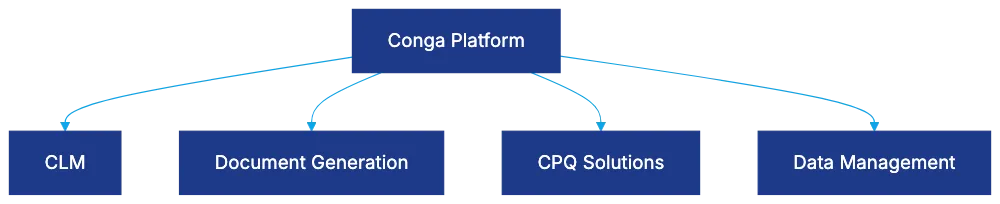
Conga: Revolutionizing Legal Technology for Professionals
Discover how Conga streamlines contract management and document generation for legal teams using Salesforce.
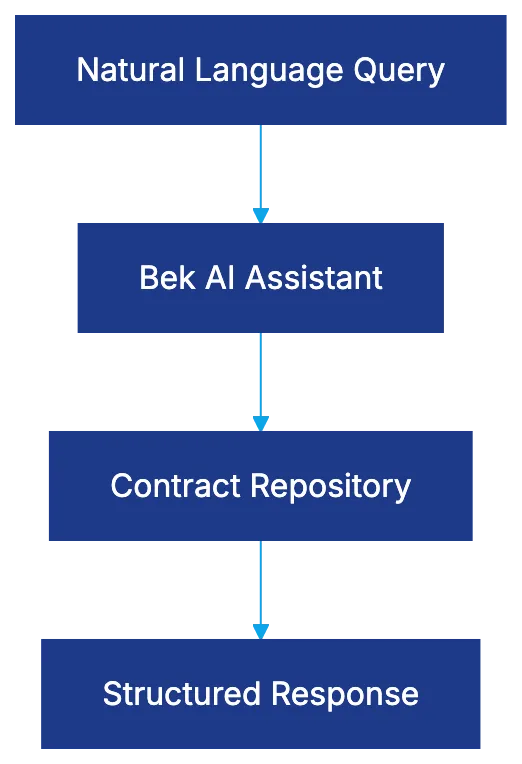
Malbek's Innovative Take on Contract Lifecycle Management
Explore how Malbek's conversational AI transforms contract lifecycle management for legal teams in mid-market and enterprise organizations.
Summize: Revolutionizing Contract Management in Teams
Discover how Summize enhances contract management through Microsoft Teams with AI-driven solutions and seamless integration.